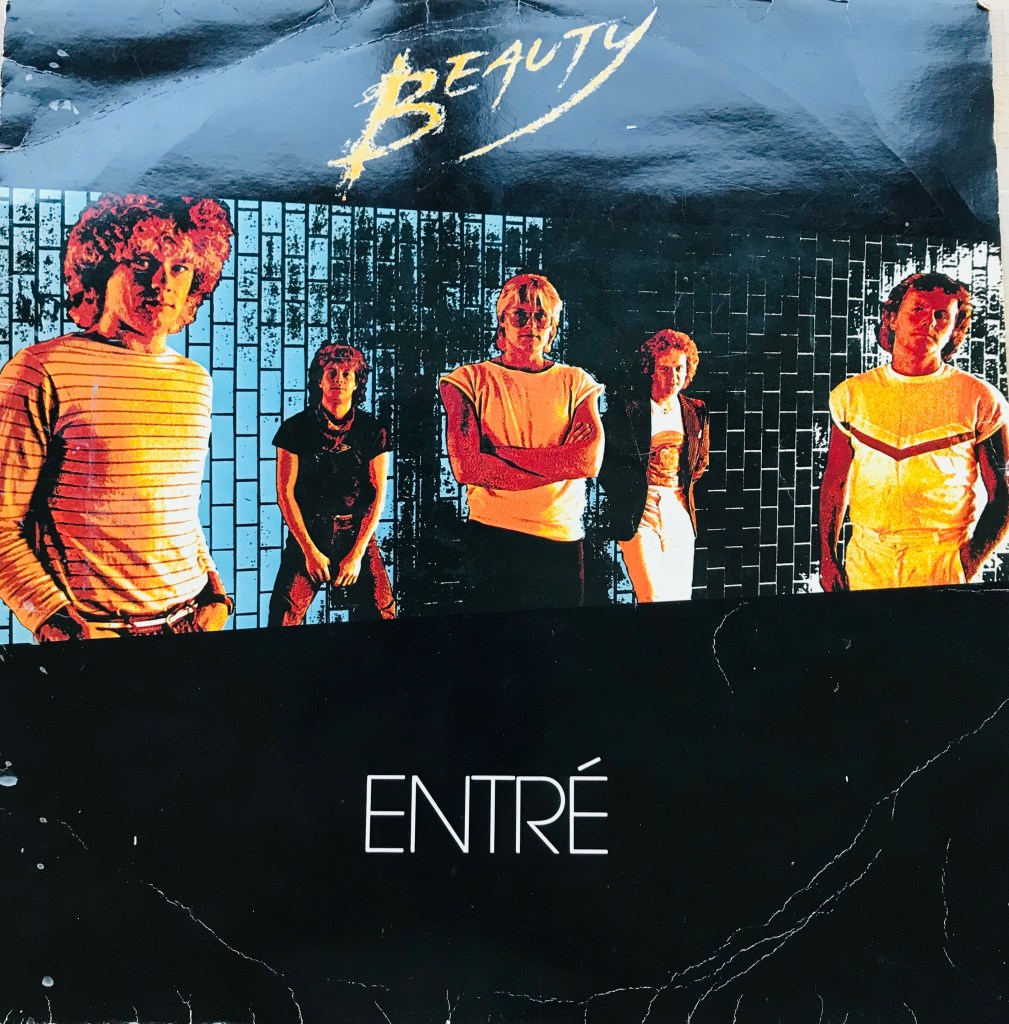
Beauty from Halmstad: A Pop Story Worth Remembering
Among the many bands that have sprung from Sweden’s west coast, Beauty from Halmstad holds a special place in the hearts of those who followed them. Though they never became a household name across the country, their melodic songs, honest lyrics and down-to-earth presence captured a moment in Halmstad’s musical history that still resonates with fans today.
Halmstad as a Music City
Halmstad, nestled on Sweden’s southwest coast, has long punched above its weight as a music city. Best known internationally as the hometown of Roxette and Gyllene Tider, it has also nurtured an entire ecosystem of other less well-known musical acts. It was in this environment that Beauty took shape, surrounded by both famous role models and everyday musical neighbours.
Formation and Band Members
Beauty emerged in the early 1980s, when a group of friends who had grown up in and around Halmstad’s rehearsal spaces decided to take their weekend jam sessions more seriously. The original line-up typically featured a classic four-piece setup: lead vocals and rhythm guitar, lead guitar, bass and drums. Over time, the group occasionally expanded their sound with guest keyboard players or backing vocalists, especially for studio recordings and bigger live shows. While there were a few changes in personnel over the years, the core remained a close-knit circle of friends who rehearsed and performed together for the love of music rather than the promise of fame.
Musical Style and Influences
Musically, Beauty moved in the borderland between melodic rock and guitar-driven pop. Their songs often combined bright, singable choruses with slightly rougher, indie-flavoured verses. Listeners can hear echoes of classic Swedish pop craftsmanship, as well as the influence of 1980s alternative bands from both Scandinavia and the UK. Lyrically, the band tended to focus on everyday stories: small-town relationships, restless ambitions, late-night drives along the coast and the bittersweet gap between youthful dreams and adult reality. This down-to-earth storytelling helped Beauty feel relatable to local audiences who recognised their own lives in the songs.
Key Recordings and Performances
Like many independent bands of their era, Beauty’s early recordings were modest but heartfelt, often recorded with local engineers who understood the band’s sound and budget. Some of these songs received airplay on regional radio and found their way onto local compilation albums, helping the group reach listeners beyond their immediate circle. In 1982 they struck a recording contract with PolyGram records and their first single, Marilyn, got a fair share of national radio airplay. Soon after an LP was released. Listen to the single version of MARILYN and the album ENTRÉ.
On stage, their shows were less about spectacle and more about connection: friendly banter with the audience, familiar faces in the crowd and a sense that everyone in the room was part of the same story. For many fans, memories of Beauty are tied to specific places and nights — summer concerts in the center of town, large and small venues around the countryside of Sweden.
Impact and Local Legacy
Although Beauty never became a major national act, their local impact was real. Sven has been referred to by Per Gessle, and many other Halmstad musicians, as a major inspiration in their musical beginnings.
 svenvbertilssonmusic.com